Recycling and Sustainability at Gardener Gardening
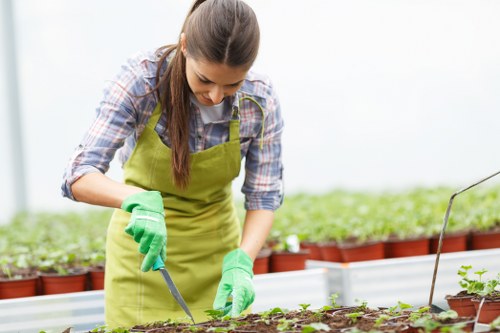 At Gardener Gardening we place sustainability at the heart of every project. Our local recycling and sustainability policy is designed to support circular practices across public and private green spaces. As a community-focused gardening service — whether described as Gardener Gardening or Gardener's Gardening — we aim to reduce landfill, encourage composting and to work hand-in-hand with borough-level waste programmes. Our approach balances practical on-site decisions with system-level partnerships so that every pruning, planting and soil replacement considers end-of-life materials and how they can be repurposed.
Our recycling targets are ambitious but achievable: we have set a public-facing recycling percentage goal of 75% of all garden and site waste to be diverted from landfill within three years. This recycling percentage target covers garden waste, food-soil mixes from on-site composting, and recyclable packaging from materials delivered to sites. The target is a mix of operational change, education, and logistical improvements including sorting at source and better segregated collections aligned with local borough strategies.
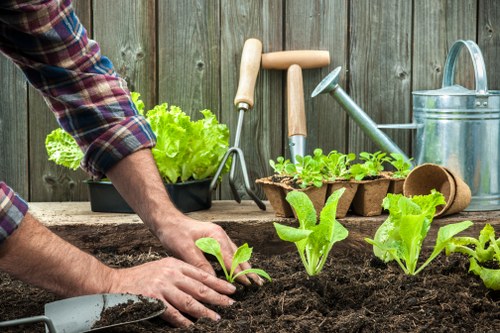 We actively coordinate with municipal schemes and understand that many boroughs operate a layered approach to waste separation — typically offering separate collections for garden waste, food waste and mixed recycling. Gardener Gardening recycling crews are trained to follow those systems, placing clearly labelled receptacles on-site and ensuring that organic material is either composted, transferred to local processing facilities, or passed to partner charities and community gardens that reuse soil and planting material.
Working closely with local transfer stations is a core part of our logistics. Instead of relying on distant depots, our teams use nearby transfer stations where green waste can be bulked, screened and routed to the correct processing streams. Many borough transfer stations will accept separated garden waste for windrow composting or in-vessel treatment; where appropriate we make use of these networks to reduce vehicle miles and increase throughput into legitimate composting operations. Reducing haul distance is one of the fastest ways we lower our carbon footprint while ensuring materials are processed correctly.
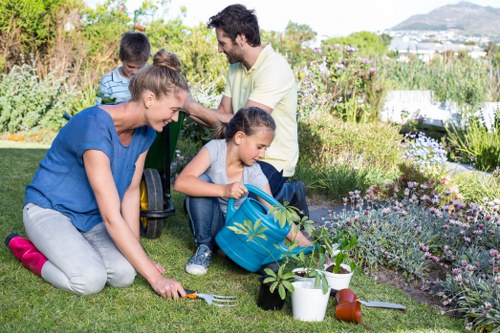 We list and maintain partnerships with charities and community organisations that specialise in re-use and redistribution. These include neighbourhood food-share projects that can make use of surplus soil and compost, local community allotments that accept raised-bed materials, and social enterprises that refurbish pots, tools and timber for reuse. Our partnerships are actively managed: we maintain scheduled drop-offs to partner sites and track material flows so that donated items are used, not wasted. The result is a strong social benefit chain in addition to environmental gains.
Gardener Gardening sustainability work also embraces a reduction in operational emissions. Our fleet is transitioning to low-carbon vans and smaller electric service vehicles for short runs. We have phased in hybrid and electric vans for local jobs and use biofuel blends for larger transport legs to transfer stations. Low-carbon vans reduce particulate and CO2 emissions across our service areas and support our corporate commitment to net-zero operational emissions by 2035.
To help customers understand how we fit into broader municipal rules, we publish simple, actionable waste separation advice tailored to each borough: which items go in garden waste, which in food waste, and which must be placed in mixed recycling. Our on-site teams use clear signage and provide short briefings to maintenance staff so separation happens correctly. This practical guidance supports borough recycling schemes and makes it easier for garden managers to meet local compliance requirements.
 In everyday practice Gardener Gardening recycling services include dedicated bins for green waste, segregated containers for plastically wrapped soil bags, and secure handling of any treated timber or chemical containers so these can be routed to authorised processing. We also run seasonal collection schedules to capture leaf litter and woody cuttings separately from soft green prunings, which improves compost quality and increases the overall recycling percentage we achieve.
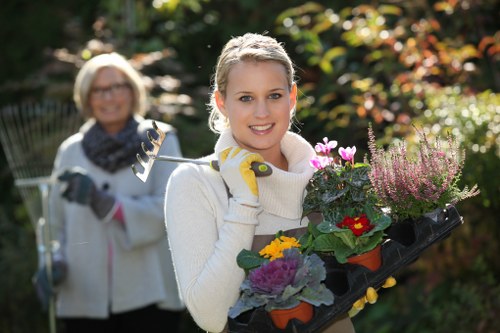 Our sustainability statement is underpinned by measurable targets, transparent reporting and community engagement. We track tonnages sent to composting, transferred to charities, and recycled through borough mixed recycling streams. Beyond numbers, Gardener Gardening continually seeks to innovate — from piloting on-site wormeries for food waste to testing solar-powered drying racks for small-scale mulch production. We view each site as part of a larger ecosystem; by aligning with local authorities, transfer stations and charity partners, and by investing in low-carbon vans and staff training, we aim to deliver gardening services that are both beautiful and responsible.
How we measure progress
Targets, partnerships and community outcomes
- Recycling percentage target: 75% diversion of site waste from landfill within three years.
- Local transfer stations: use of nearby facilities to bulk and route green waste correctly.
- Charity partnerships: scheduled transfers of reusable materials to community groups and social enterprises.
- Low-carbon vans: fleet transition to electric and hybrid vehicles to cut operational emissions.
By combining clear targets with local knowledge of borough waste separation systems and long-term partnerships, Gardener Gardening recycling and sustainability efforts aim to set a practical standard for environmentally sound gardening. Our emphasis on measurable diversion rates, responsible logistics through transfer stations, charity redistribution, and a low-carbon fleet makes our environmental commitments concrete and verifiable. We continue to refine the program and report annually on performance so stakeholders can see how local gardening efforts contribute to wider sustainability goals.